
USFans Spreadsheet Review: Judge What the Review Actually Demonstrates
A USFans spreadsheet review can describe several different experiences: finding products, choosing an option, placing an order or receiving a parcel. Before accepting its conclusion, establish which of those experiences the writer actually describes. A helpful product collection and a successful individual order are related, but they are not the same finding.
Identify the scope of the review
A browsing review may tell you that categories are easy to navigate or that the writer found relevant alternatives. An order review may discuss a particular item, while a delivery review concerns a particular parcel and destination. Do not combine them into a claim that every product or shipment has been tested.
Look for the date and the object of the observation. “The link worked” is useful when tied to an identifiable destination. It does not establish that the same size remains available or that a later order will arrive in the same condition.
Compare the recommendation with the selected item
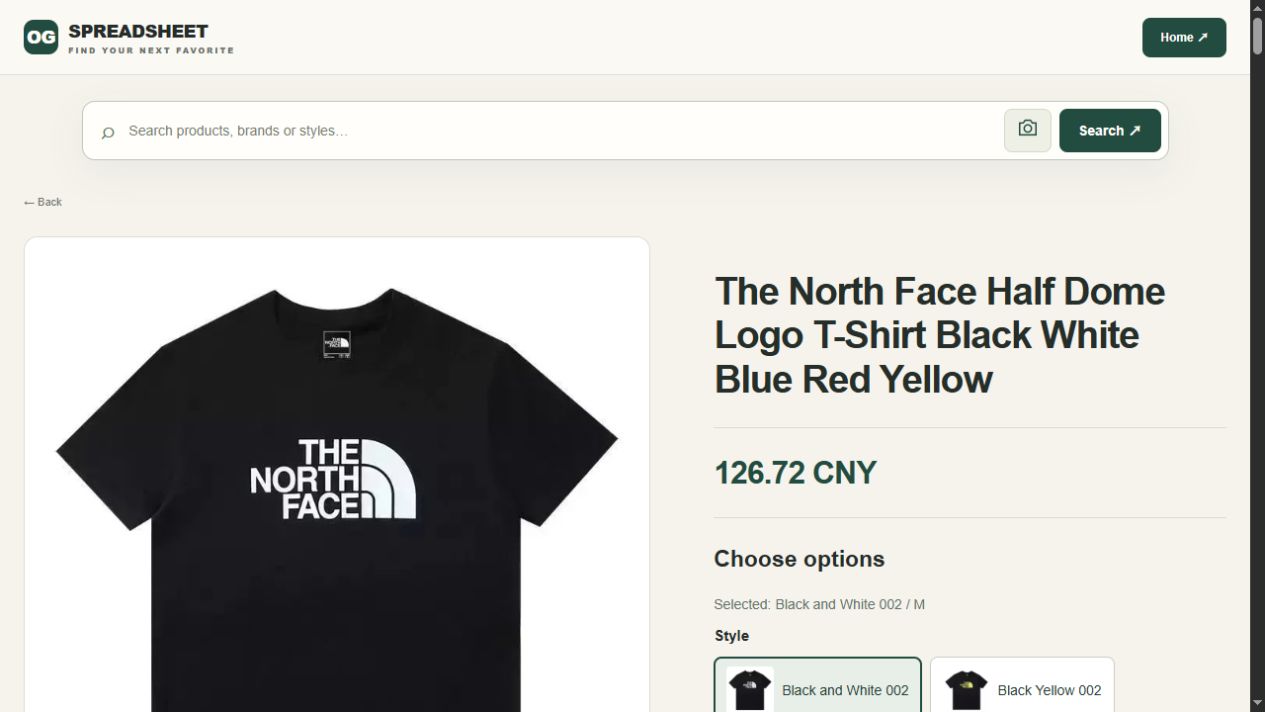
Open the referenced listing and inspect the option the review concerns. A product name can cover several colours, sizes or configurations. If the writer describes a set but your selection is one piece, their cost and fit comments may not answer your question.
For a product comparison, inspect this T-shirt on USFans. Keep its selected size and garment measurements beside the review you are evaluating. If the model or option differs, use the comment to form a question, not to transfer the earlier buyer's result to this item.
The spreadsheet-links guide helps track a changed destination. If a product has been replaced, do not apply the old review to the new listing without checking the differences.
Read pictures according to the stage they show
A listing picture shows how an item is presented. A matched warehouse image can support a visible-condition observation about a particular received item. A parcel-arrival photo can show what the recipient photographed after delivery. None of these automatically establishes long-term wear or every hidden product property.
Use the QC guide when deciding which visible detail matters. A positive comment such as “looks good” is less informative than a description of the specific feature inspected.
For fit comments, compare the garment measurements and desired silhouette with your own needs. A reviewer preferring a loose cut may praise an option that would not suit someone seeking a close fit.
Read the cost and time claims separately
Check what a stated total includes and which currency it uses. Product cost alone is not the total cost of receiving a parcel. A discount or packing choice in someone else's order may not apply to yours.
For delivery, identify the start and end events. A period from carrier acceptance to receipt cannot be compared directly with time from buying the first item. The delivery-time guide explains these distinctions.
A single case can help you understand a question to ask. It is not enough to predict every future shipment or to calculate an average without a defined set of comparable cases.
A dated delay report shows why the start event matters
In a Google Play review dated 25 June 2026, a USFans app user reported waiting more than a month for a pair of shoes. The text did not identify the destination, route, start event or final delivery outcome. It documents that person's complaint, not a measured international transit time.
For your own comparison, ask whether the interval began at purchase, warehouse arrival or carrier collection. Then compare it with the same interval for the same route. A delay report can justify a timing question without supporting a forecast for every parcel.
Notice what may shape the recommendation
Check whether the writer explains any commercial relationship affecting the recommendation. An incentive does not automatically invalidate an observation, but it should not be mistaken for evidence that the product was tested.
Likewise, a dramatic complaint needs its own context: the affected item, the relevant stage and any outcome described. Do not infer a platform-wide conclusion from an isolated account that omits those details.
Use the review to improve your next question
After reading, identify what you now know and what still matters before choosing. That might mean requesting a measurement, comparing another option or checking current terms. The best spreadsheet guide helps turn those questions into a shortlist, and the buying guide follows the selection into an order.
How should I compare conflicting reviews?
Match the product or service, date and journey stage first. One buyer describing easy browsing and another describing a delayed parcel are not necessarily disagreeing about the same experience. Keep their findings separate before deciding what they mean for your purchase.
Can a positive haul review validate an entire spreadsheet?
No. It concerns the items and stages actually documented in that account.